Our Replant Story
The Resurrection of McIntosh Baptist Church
This video was made for the North American Mission Board’s 2026 Replant Summit. It tells the story of our replant and gives hope to other doing similar kingdom work.
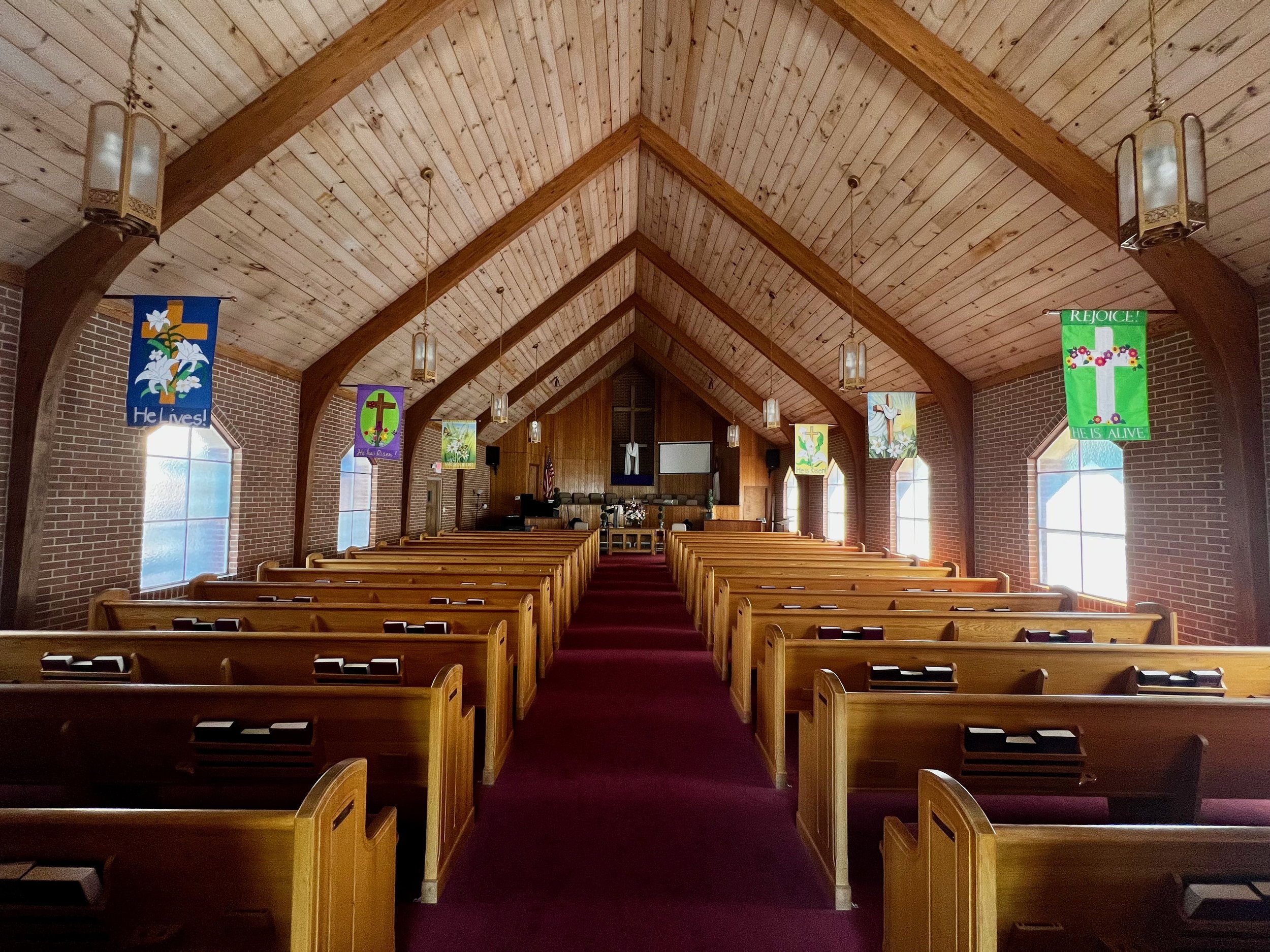
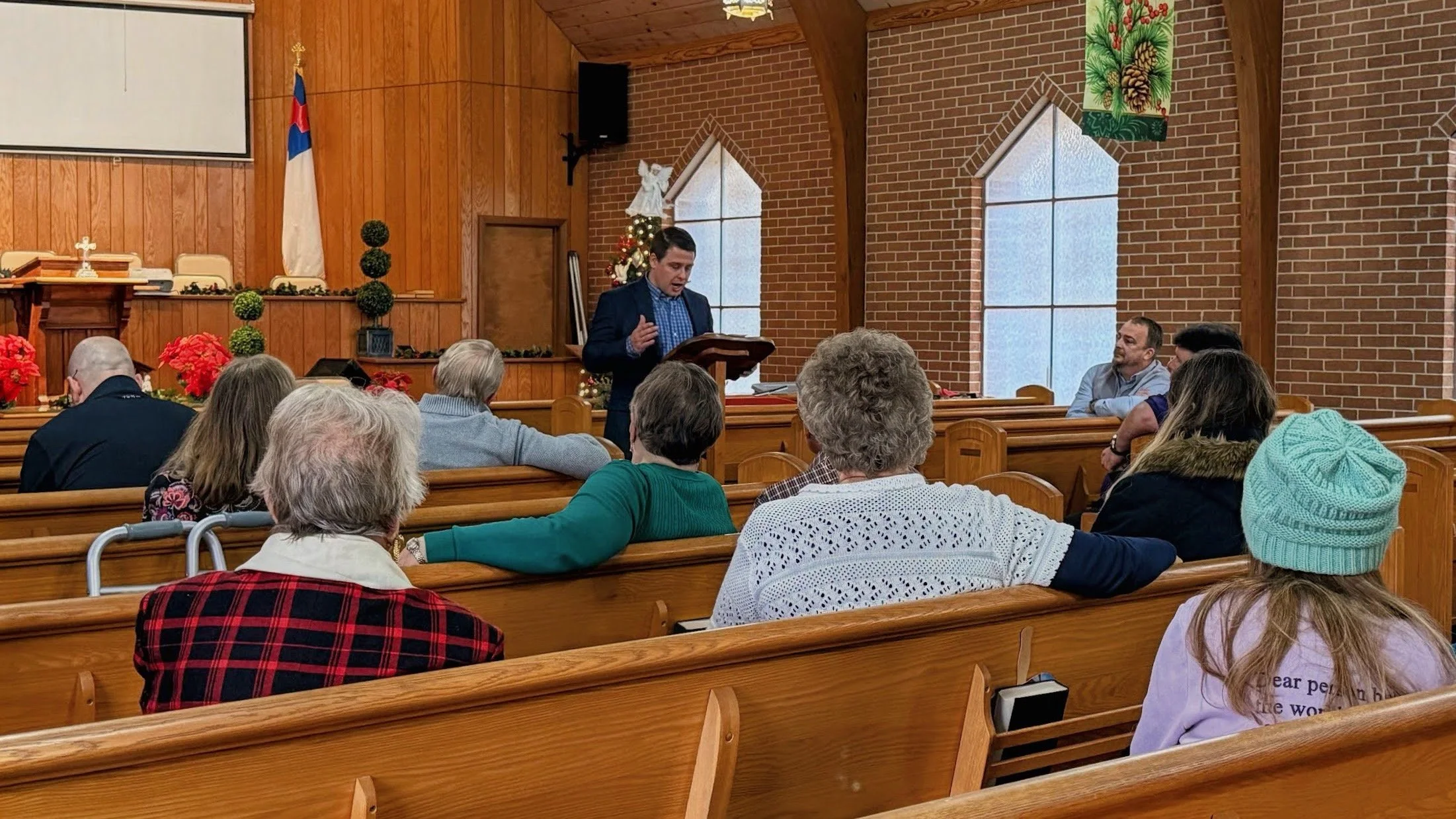
The history of the McIntosh Replant is, in many ways, a story of death and resurrection—of a congregation choosing not merely to survive, but to spend itself for the advance of the gospel.
Founded in 1894, McIntosh Baptist Church stood for generations as a gospel witness in north Griffin, Georgia. Through changing seasons, faithful members gathered week after week to hear the Word preached, sing the praises of Christ, baptize new believers, and commend the gospel to their neighbors. Like many churches with a long history, McIntosh bore witness to both seasons of strength and seasons of hardship. Yet for more than a century, the church remained a visible testimony to the faithfulness of God in one place.
In time, however, the congregation experienced a steady decline. Attendance diminished, leadership structures weakened, and the church increasingly faced difficult questions about its future. By the early 2020s, only a small remnant remained. Such moments often tempt churches either toward nostalgia—attempting to preserve what once was—or despair, assuming the ministry has ended. Yet the members of McIntosh chose a different path: they determined to steward what remained for the good of Christ’s kingdom.
Rather than simply closing the church and dispersing its assets, the congregation began prayerfully considering how McIntosh might continue to bear witness to Christ after them. In partnership with the Flint River Baptist Associational Network and neighboring churches, conversations began concerning the possibility of a church replant—a deliberate effort not to preserve an institution for its own sake, but to renew a gospel work in the same field.
In May 2024, the members of McIntosh Baptist Church voted unanimously to entrust the church to a replant effort. It was a decision marked not by self-preservation but by unusual kingdom-mindedness. These members recognized that churches do not ultimately exist for themselves. They belong to Christ. And if Christ saw fit to use their buildings, resources, and legacy to strengthen a renewed gospel witness for another generation, then such stewardship was worthy of joyful sacrifice.
The church continued gathering through the end of 2024, closing one chapter of ministry while intentionally preparing for another. Partner churches—including Crestview Baptist Church, Woolsey Baptist Church, Pinecrest Church, and First Baptist Church of Zebulon—joined in prayer, encouragement, financial support, and practical service as preparations began for a renewed congregation.
The replant effort took clearer shape with the calling of Daniel Sanderson as replant pastor, sent out from Mount Vernon Baptist Church to help establish a new work at McIntosh. Throughout 2025, a core team formed, ministry structures developed, and a renewed vision emerged. The goal was never simply to reopen a building or recreate a former era, but to constitute a healthy church marked by expositional preaching, meaningful membership, congregational responsibility, qualified leadership, evangelism, discipleship, and doctrinal faithfulness.
Then, on the church’s 131st anniversary, McIntosh Baptist Church was reconstituted as a new covenant body. The date itself served as a fitting testimony: not the abandonment of a church’s history, but its continuation. A congregation founded in 1894 had entrusted its witness to another generation, and the gospel ministry of McIntosh began anew in the same place.
The McIntosh Replant stands, therefore, as a reminder that faithful churches do not ultimately measure success by longevity alone, nor by buildings preserved, nor even by numbers retained. A church is faithful when it labors to ensure that Christ continues to be preached after it is gone. In that sense, the saints of old McIntosh gave a final gift to future generations: they chose that the lampstand would not simply go dark, but that the light of the gospel would continue to shine in north Griffin for years to come.